
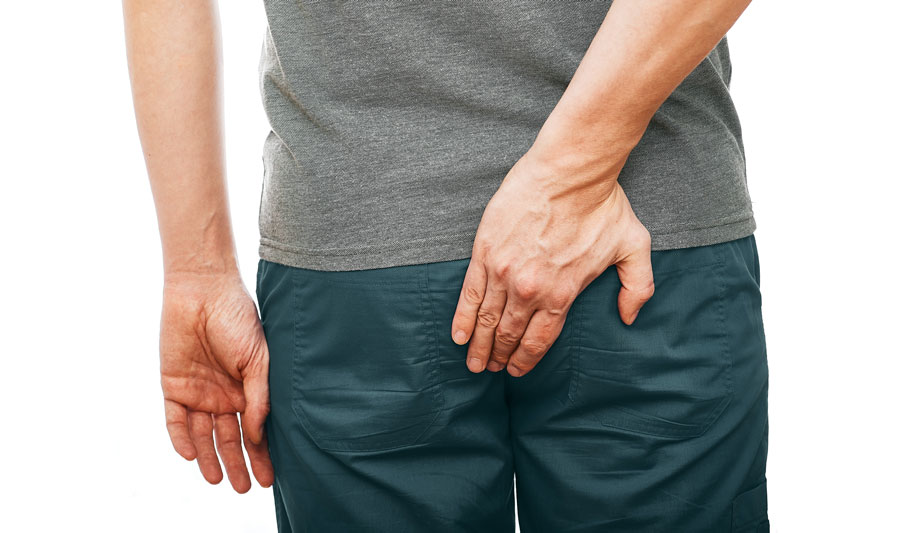
A thrombosed hemorrhoid is a clot that forms within an external hemorrhoid, producing a sudden, very tender lump. The pain tends to peak at 48 to 72 hours and then resolves. The hard lump may take one to four (or more) weeks to subside once your body has absorbed the clot.
With the proper plan, simple measures, and, when necessary, a clinical treatment for the internal contributors, relief can come come quickly. The Hemorrhoid Institute is here to make that plan clear and doable.
What Is a Thrombosed Hemorrhoid?
A thrombosed hemorrhoid is an external hemorrhoid in which a blood clot forms beneath the skin near the anus. The trapped blood causes sudden pain, swelling, and tenderness. It’s a common condition that is normal, painful, and often easily treatable.
Why Thrombosed Hemorrhoids Happen (Common Causes)
Anything that increases pressure on the veins of the anus can create a clot:
- Straining when constipated or episodes of diarrhea
- Long sitting times (chair, at a desk, or in a car)
- Intense exercise or heavy lifting
- Pregnancy and the postpartum period
- Poor fiber consumption and not drinking enough water
- Delaying a bowel movement or rushing bathroom time
Thrombosed Hemorrhoid Symptoms You Shouldn’t Ignore
- Sudden throbbing lump at the anal edge or nearby
- Inflammation, pressure, or throbbing, typically with sitting
- Bright red bleeding that remains on the paper toilet paper
- Itchiness or burning skin
If you are experiencing heavy bleeding, intense pain, fever, a fast-growing lump, or symptoms that are getting worse after one week of regular home care, we recommend seeking treatment.
Who Should Be Seen (and When)
- New rectal bleeding or a new painful lump. Don’t wait, get it checked.
- Symptoms are not improving with home care. If a week has passed with little progress, it’s time for an exam.
- Need a clear, reliable timeline back to normal. We’ll outline the next steps and expected recovery.
- Pregnant or postpartum. We’ll tailor guidance to keep you comfortable and safe.
A brief, private exam confirms the diagnosis and rules out other causes of pain or bleeding.
How We Help: Conservative Care and IRC
Fast comfort with conservative care
We start by calming the area and supporting healing: softer stools (more fiber and fluids), warm sitz baths, brief, no-strain bathroom visits, gentle skin care, and light activity. For most people, especially after the first few days, these steps bring steady, day-by-day relief. Pain improves first; the firm lump settles over the next several weeks.
Infrared coagulation treatment
If repeat flares are coming from internal hemorrhoids, we may recommend Infrared Coagulation (IRC), our first-line in-office treatment. IRC delivers brief pulses of light that seal tiny vessels so internal hemorrhoid tissue shrinks. There’s no scalpel and no anesthesia; visits take about 10 minutes, and most patients return to normal activity the same day. Relief builds over the following days to a few weeks. If multiple areas need care, we’ll plan a short series.
What to Expect at Your Visit
- Conversation & history: We listen to your symptoms and goals.
- Gentle exam: A focused check confirms what’s going on.
- Personalized plan: We outline clear steps, timelines, and aftercare. When appropriate, treatment can begin at the first visit.
The Thrombosed Hemorrhoid Recovery Timeline: When do Pain and Swelling Improve?
- First 48–72 hours: Pain is usually at its worst, then starts to ease.
- Days to 1–2 weeks: Comfort improves; daily activity returns to normal.
- 1–4+ weeks: The firm lump gradually flattens as the clot reabsorbs.
- After IRC (if performed): The relief builds over days to a couple of weeks.
Everyone heals at a slightly different pace. Your provider will set expectations for your situation.
Simple Steps You Can Do Today
- Fiber: Aim for 25–35 grams per day, added gradually (oatmeal, berries, beans, whole-grain bread, or a fiber supplement).
- Fluids: Drink enough that your urine stays pale yellow.
- Toilet routine: Go when you feel the urge, don’t strain, and keep visits brief; skip scrolling on the toilet.
- Sitz baths: Warm water for 10–15 minutes, 2–3 times daily to ease spasm and soothe skin.
- Movement: Short walks after meals to help the bowels move.
- Skin care: Pat dry after bathing or a sitz soak; use a simple barrier ointment if the skin is irritated.
Ready for Thrombosed Hemorrhoid Relief? Contact Us to Schedule
You don’t have to suffer with hemorrhoids or wonder what’s happening. Contact us to schedule a visit at your convenience at the Milford, Fairfield, Newtown, or Shelton Clinic, and we’ll take you through it step by step. It’s a quick, private visit: we figure it out, talk it over with plain, honest communication, and, if necessary, begin treatment so that you can carry on with day-to-day life.
FAQs About Thrombosed Hemorrhoids
Are thrombosed hemorrhoids dangerous?
They’re usually not dangerous, but they are painful. An exam ensures nothing more serious is going on and helps us with a treatment plan.
Will the lump go away on its own?
Frequently, yes, the clot is reabsorbed by the body. The pain goes away first; the lump goes away weeks later.
Can I exercise?
Soft walking is a good thing. Avoid taking up heavy lifting or strenuous workouts until pain and swelling go away.
Do creams fix a thrombosed hemorrhoid?
Topicals can soothe skin, but do not remove the clot. The cornerstone is reducing pressure, softening stools, and, when appropriate, targeted office care.